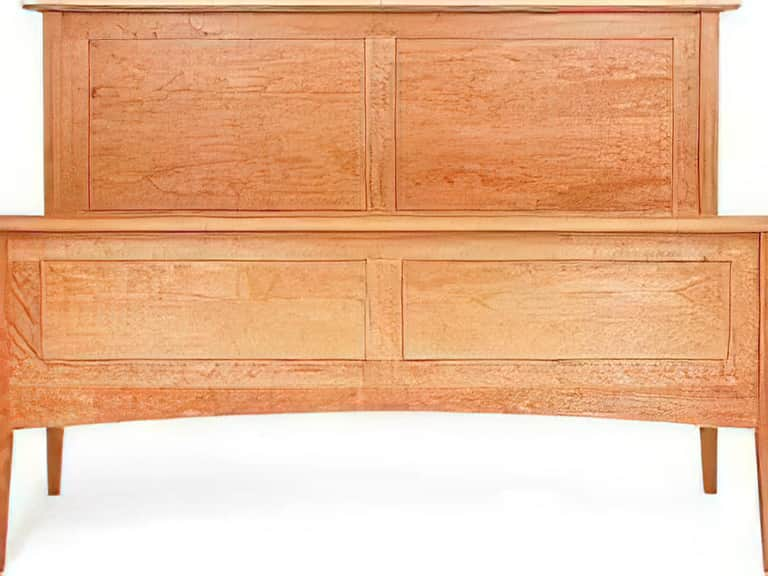
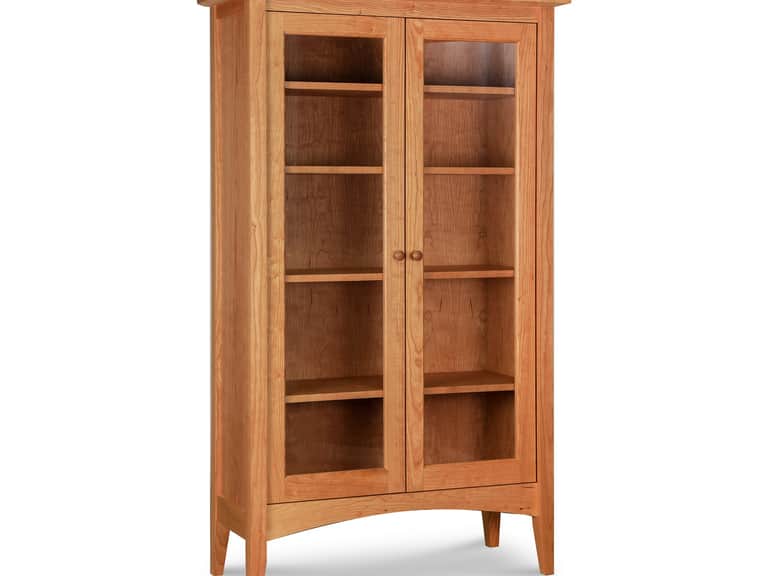
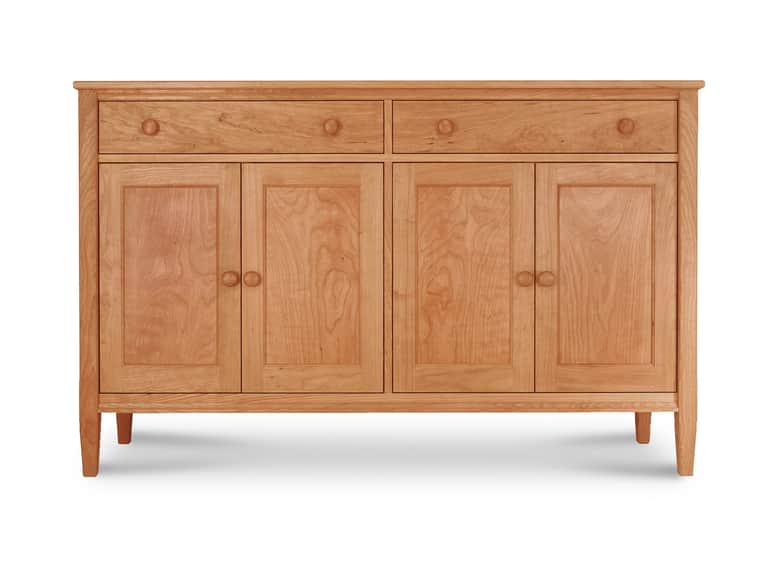
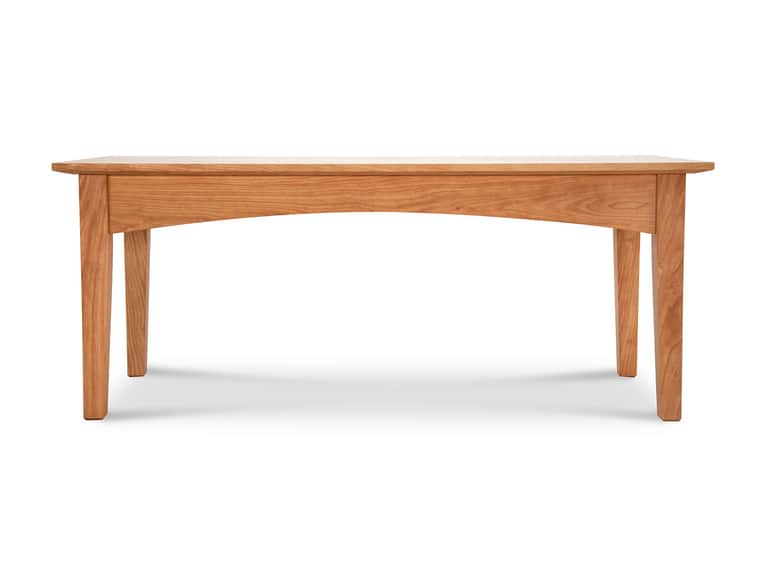
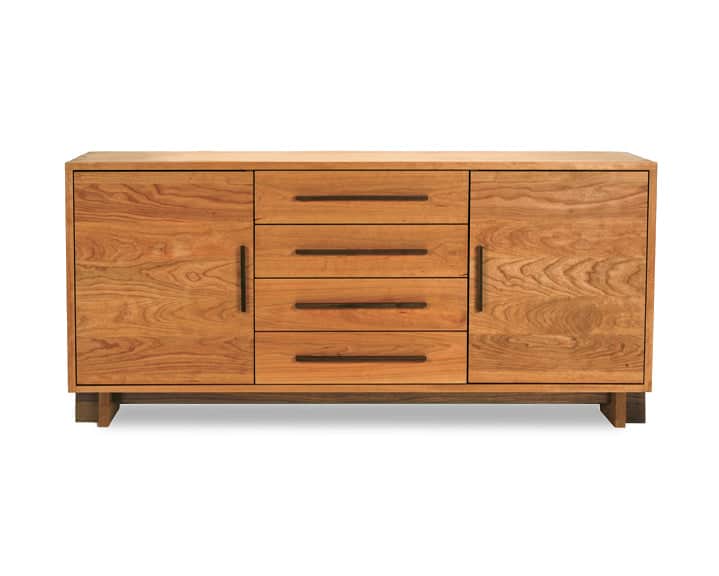
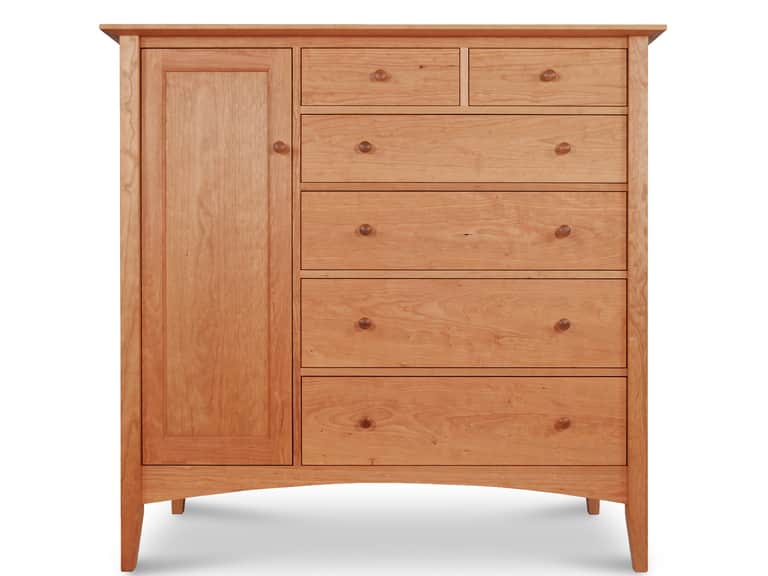
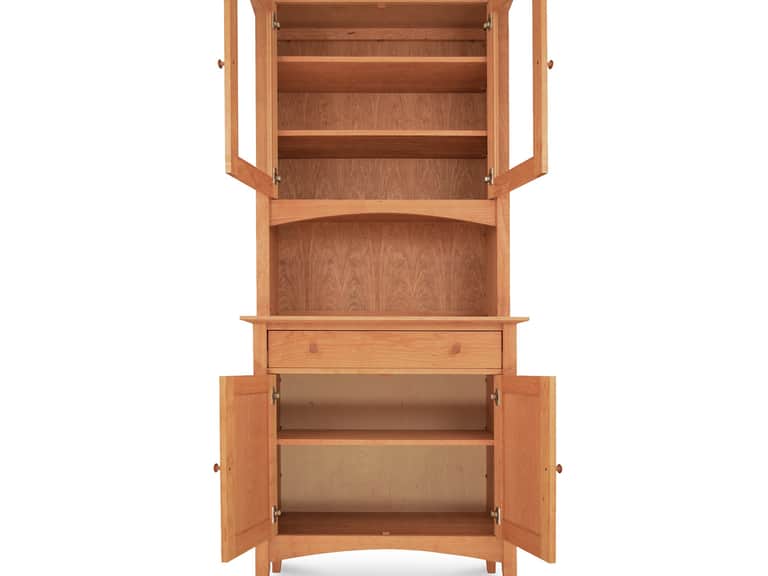
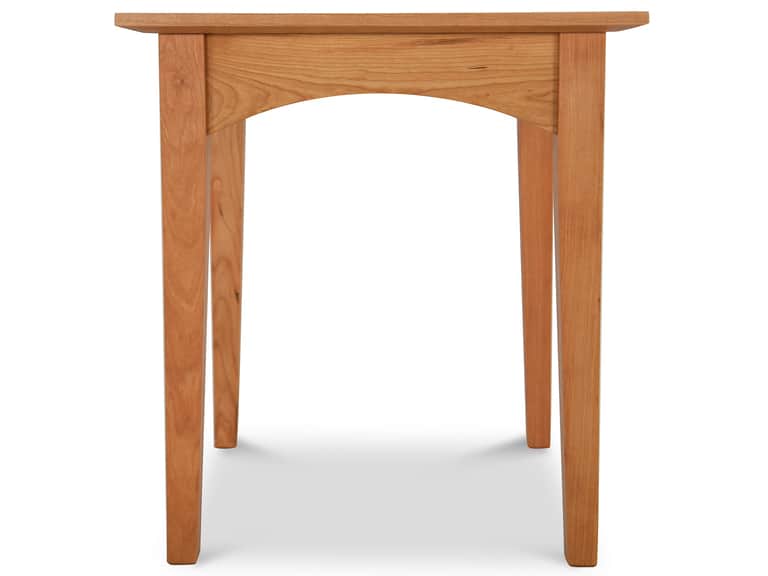
Furniture in this category emphasizes craftsmanship and timeless design, linking utility with aesthetic appeal. The collection includes storage pieces like the American Shaker armoire and the Heartwood Shaker sideboards, as well as seating and surface options such as the American Shaker sofa table and the Modern American dining table. These pieces focus on durable materials, clean lines, and versatile function in living, dining, and office spaces.
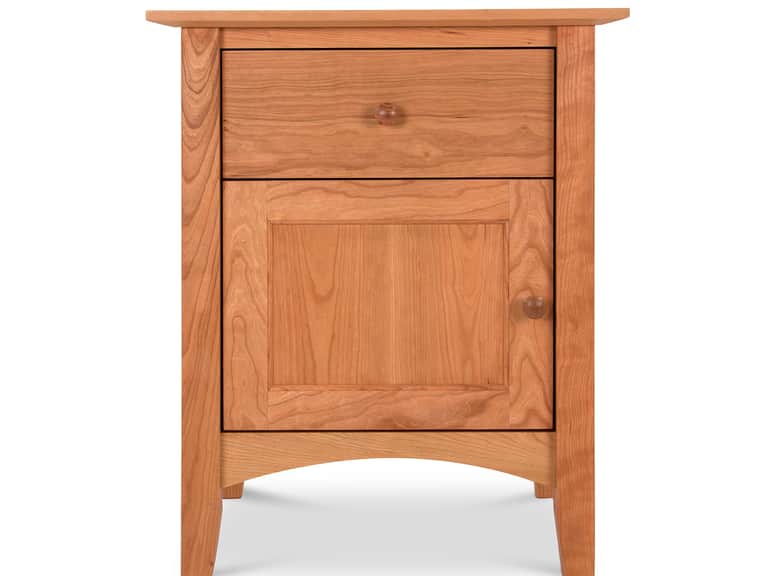
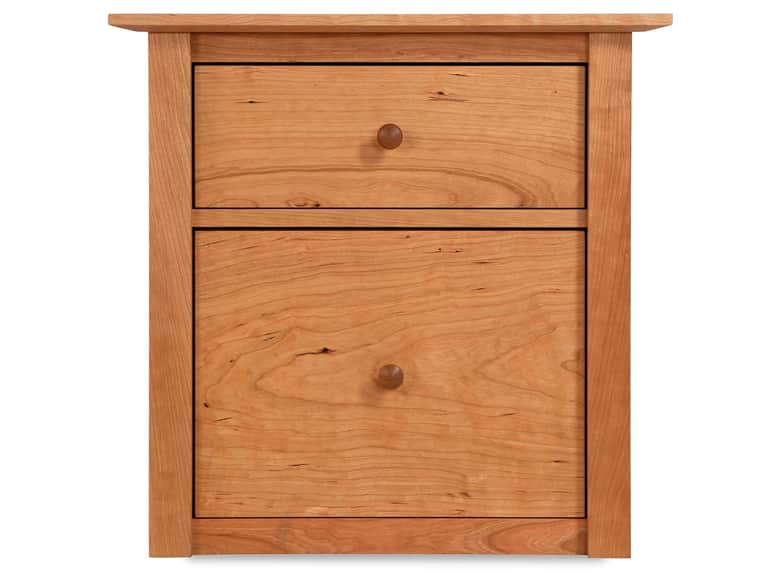
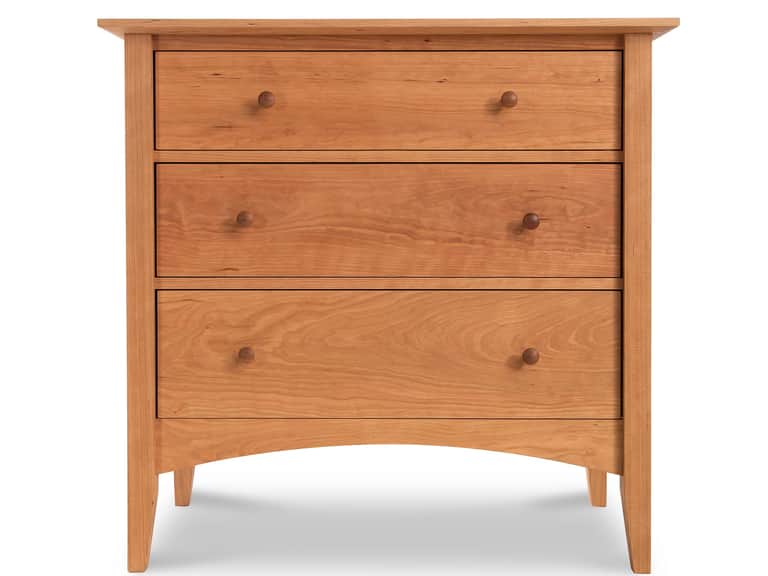
Key features across the range highlight the Shaker-inspired ethos: solid wood construction, smooth finishes, and simplifi ed silhouettes that prioritize practicality. Pieces like the American Shaker 3-drawer chest, 1-drawer nightstands with doors, and the American Shaker file cabinet offer organized storage with a calm, uncluttered appearance suitable for both contemporary and traditional interiors.
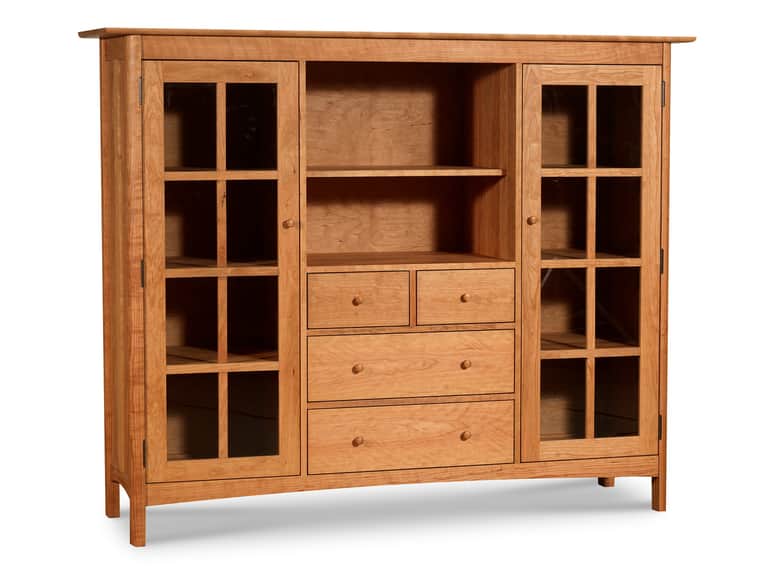
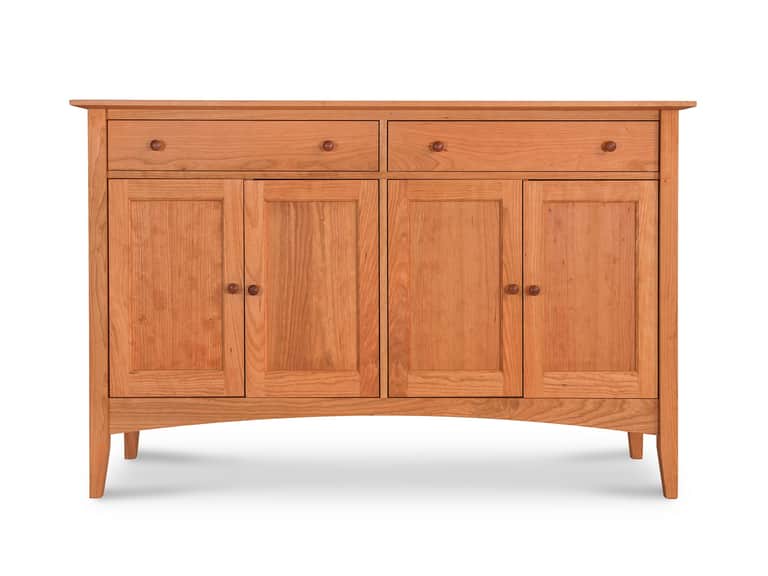
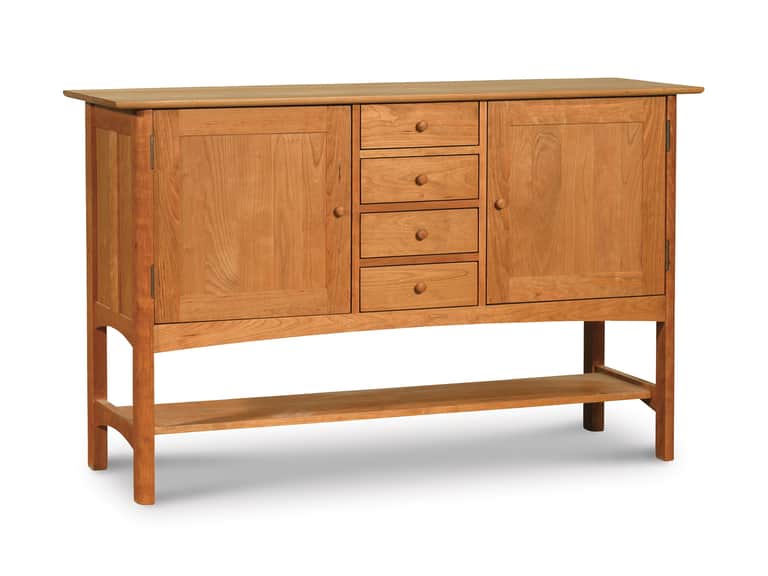
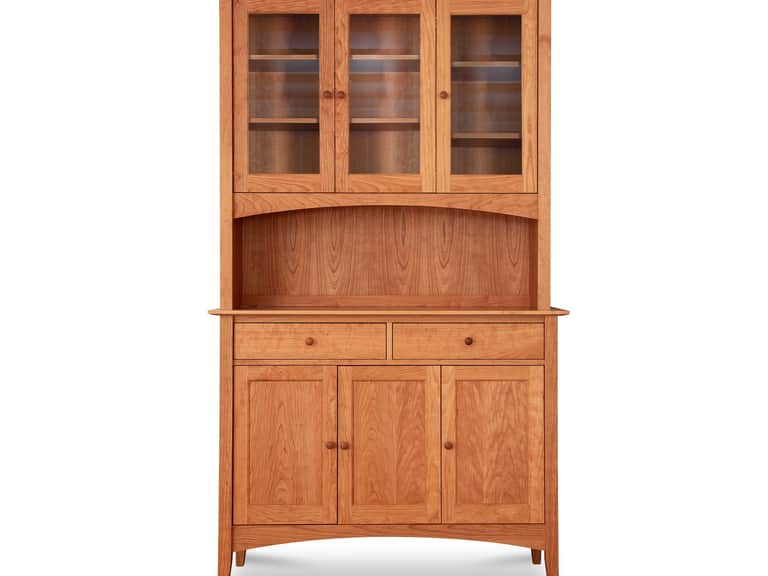
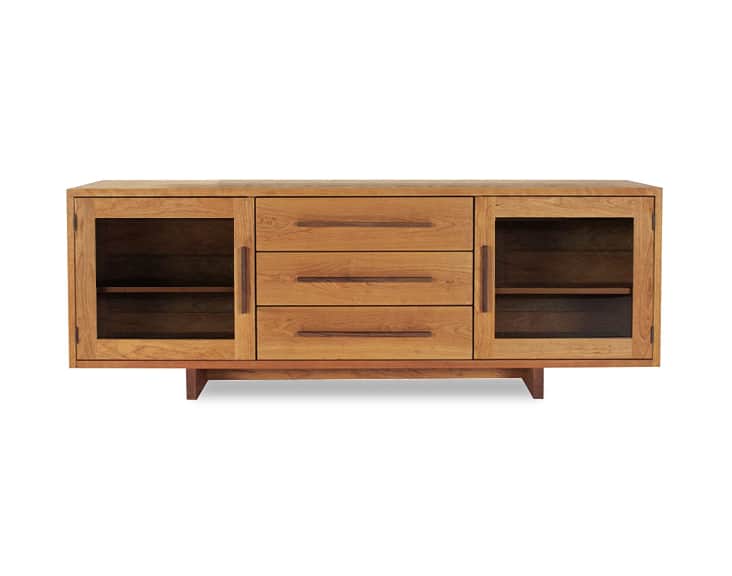
Functional benefits include modular versatility and enhanced usability in daily life. The American Shaker large and small sideboards, 60" Vermont Shaker sideboard, and various china cabinets provide ample storage for dining essentials, while the Andover Modern collection introduces refined modern contrasts. Optional surfaces such as the American Shaker writing desk or the arched mirror add reflective light and workspace efficiency.
Material quality and craftsmanship underpin long-term value, with pieces designed for ease of maintenance and timeless relevance. The heartwood and white oak finishes, paired with traditional dovetail joinery and sturdy hardware, ensure stability for everyday use. The collection covers practical needs from home office centers to dining room layouts, supporting organized, peaceful environments.
This category also highlights versatile layout options, including console and sofa tables, coffee tables, and dining tables with varied dimensions. By integrating pieces like the American Shaker armoire, small chests, and several sideboard configurations, users can create cohesive spaces that balance storage, display, and surface needs while maintaining a classic, clean aesthetic.
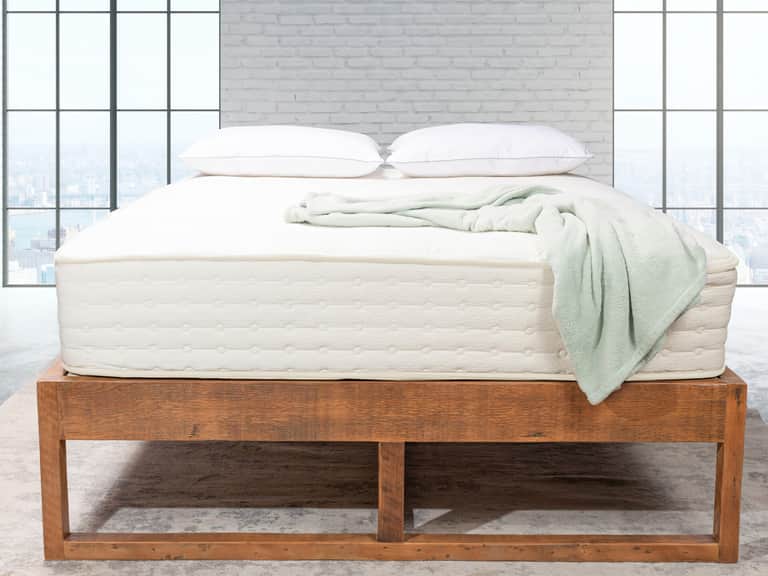 Furniture