Tables serve as essential surfaces for dining, work, and gathering, making material choice, finish, and care important considerations. This category explores table-related textiles and accessories, highlighting how fabrics, patterns, and textures influence function, aesthetics, and durability. Understanding weave, fiber content, and care guidelines helps determine suitability for everyday use or special occasions. Key keywords include decor, kitchen accessories, table, napkins, and placemats.
Clarendon Organic Kitchen Towels offer a practical example of absorbency, lint-free performance, and durable construction. Made with high-quality organic fibers, these towels support everyday kitchen tasks while maintaining a clean, modern look. Features such as edge finishes and washability contribute to long-term usefulness in meal prep, drying, and tabletop preparation.
Abruzzo Dinner Napkins and Abruzzo Placemats provide coordinated options for table settings, combining softness with stain resistance and easy-care maintenance. The napkins emphasize foldability and edge finishing, while placemats prioritize heat resilience and surface protection. Together, they support neat, organized, and inviting tabletop arrangements for various occasions.
The Ber Tablecloth introduces a versatile fabric solution for protecting tabletops and framing place settings. With thoughtful dimensions, drape, and colorfast properties, it helps create a defined dining area while withstanding routine use and cleaning. Proper sizing and fabric care extend the life of the table surface and related textiles.
In table textiles and accessories, selection considers fabric type, weave, and maintenance needs, alongside functional benefits such as absorbency, spill resistance, and easy laundering. This category demonstrates how table linens integrate with decor goals, improve usability during meals, and support clean, organized surfaces through informed material choices.
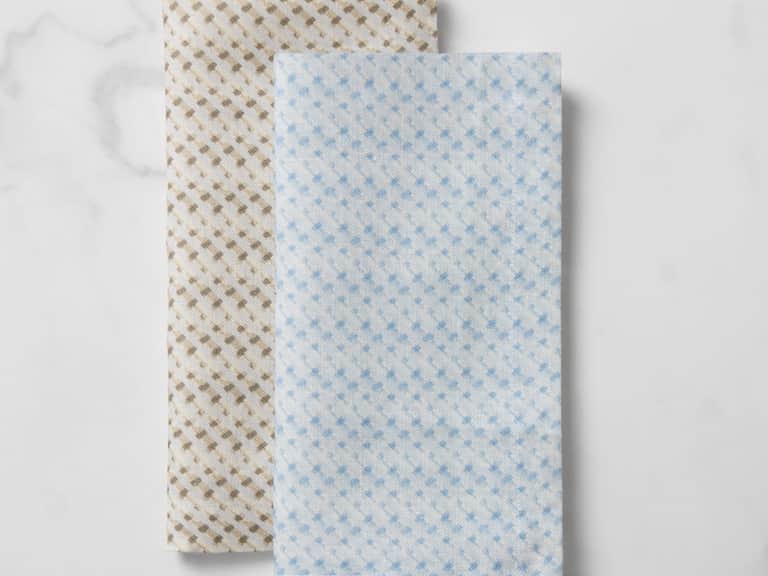 Table
Table
