Accessories in the kitchen and dining space play a pivotal role in both functionality and aesthetics, offering practical solutions for organization, protection, and presentation. This category highlights items designed to coordinate with decor while supporting everyday tasks, from food preparation to table setting. Understanding materials, construction, and care helps maximize durability and usability in various settings, including professional and home environments.
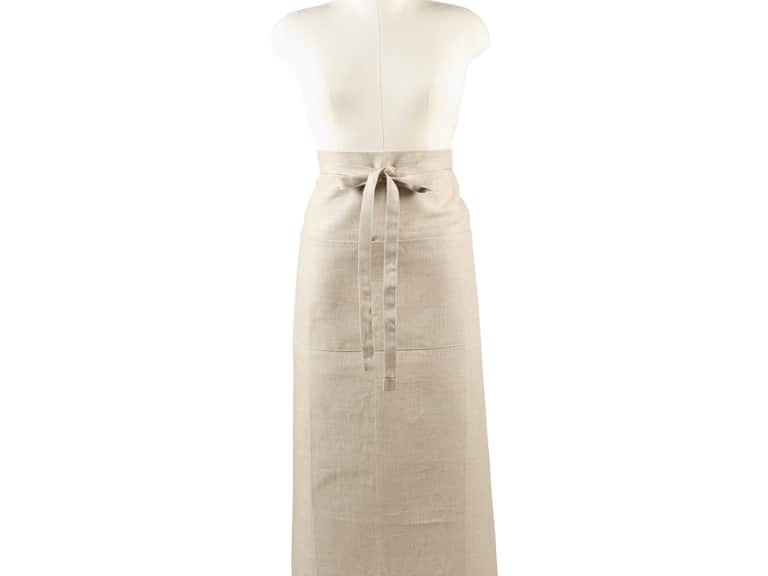
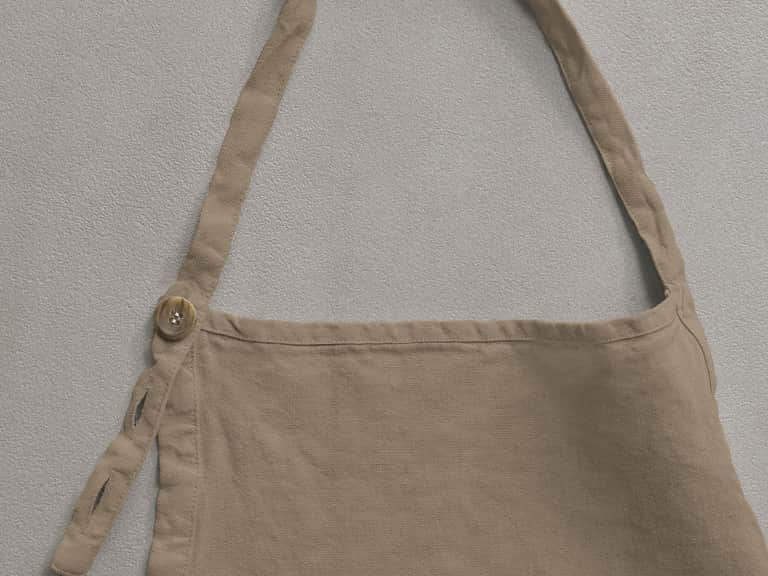
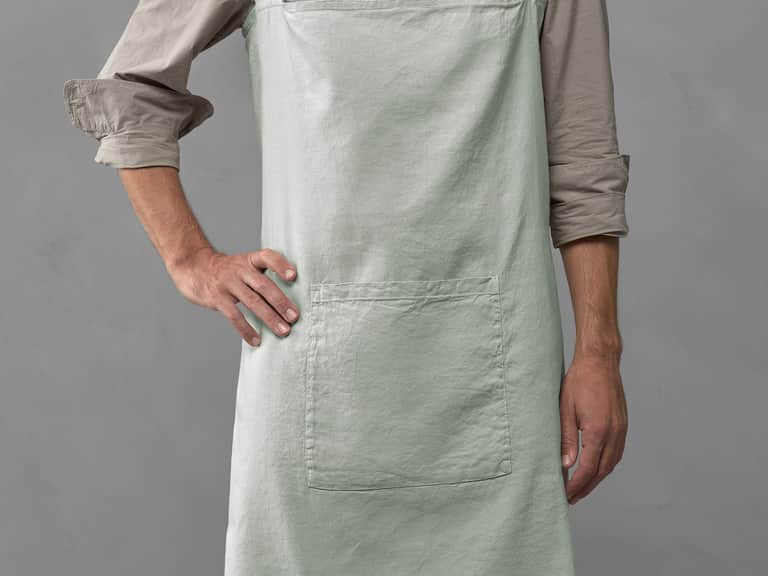
Among the featured items are aprons crafted for different cooking contexts, emphasizing protection, comfort, and style. Aprons like Lurix, Cuoco, Harbour, Café, Bistro, Bon Aprons Kitchen, and Den Apron combine adjustable ties, durable fabrics, and convenient pockets to support hands-on activities, from chopping to plating, while keeping clothing clean and ready for engagement.
Key features across these accessories include heat resistance, stain repellency, and easy-care fabrics that withstand frequent washing. Functional benefits extend to pocket placement for utensils, roll-top or adjustable waists for different body types, and reinforced seams that enhance longevity in busy kitchen environments, reinforcing reliable daily use.
Decor and functional accessories contribute to a cohesive kitchen and table presence, aligning with decor principles such as color harmony, texture variety, and material compatibility. By understanding how these items integrate with napkins, placemats, and other table decor, users can create inviting layouts suitable for casual meals or intimate gatherings.
Product-specific characteristics are essential for informed decisions: Lurix Apron emphasizes modern lines, Cuoco Apron focuses on culinary style, Harbour Apron offers nautical-inspired details, Café and Bistro Aprons balance simplicity with professional vibes, while Bon Aprons Kitchen and Den Apron provide robust coverage and reinforced construction for frequent use in home kitchens and hospitality settings.
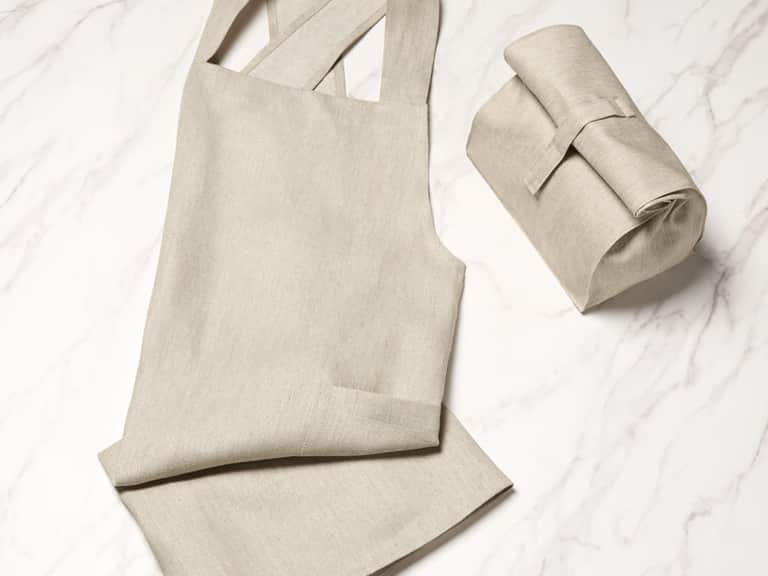 Clothing and Accessories